
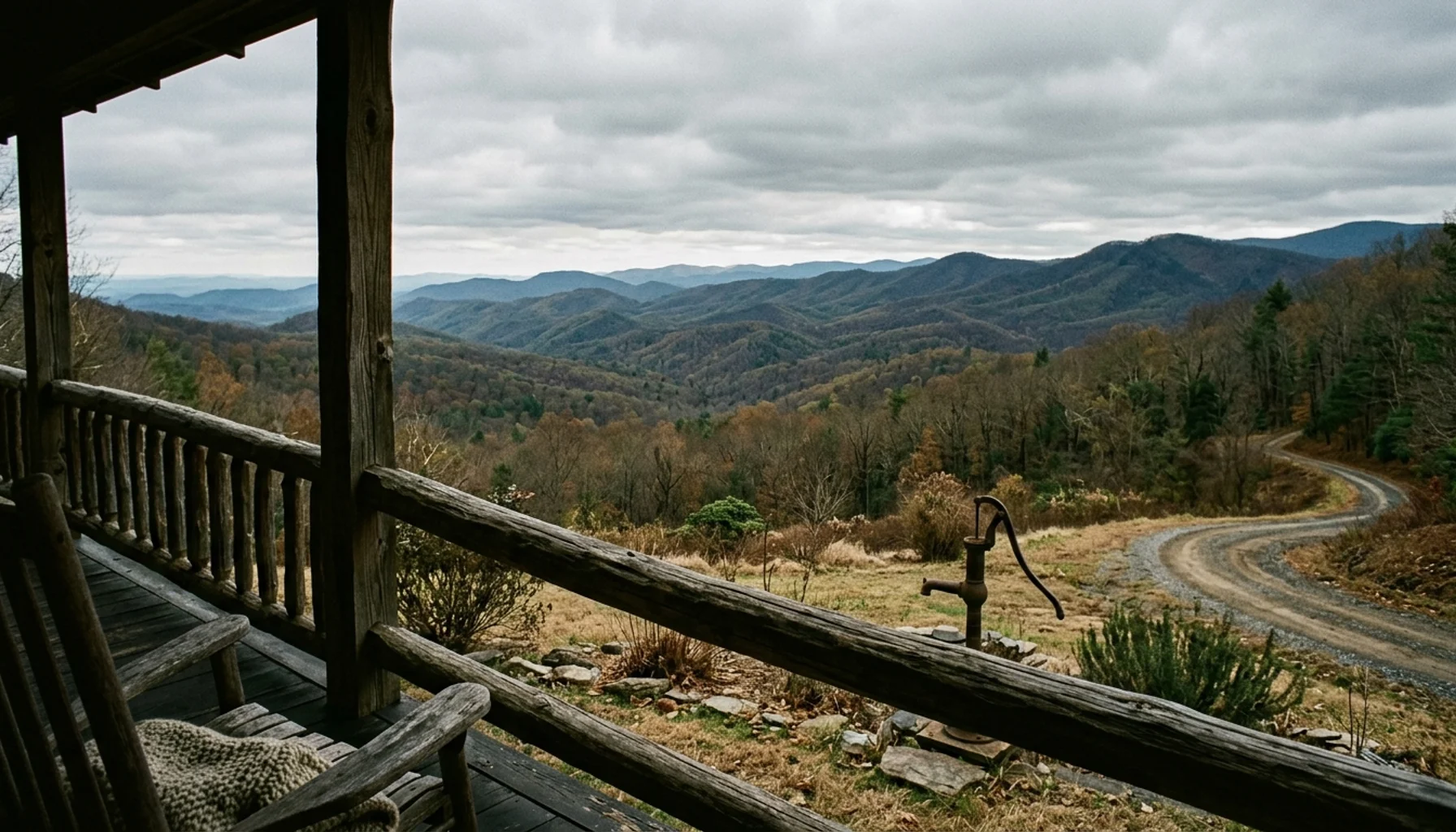
Airbnb management in Shenandoah Valley, VA typically means a local company or co-host handles pricing, guest communication, cleaning coordination, maintenance, and compliance for a cabin or mountain home near attractions like Luray Caverns and Shenandoah National Park, usually for a fee between 15% and 25% of gross booking revenue. Endless Stays operates a managed property in Luray and works with owners across the region who want that operational load handled without losing visibility into how their property performs.
Key Takeaways
- Full-service Airbnb management in Shenandoah Valley, VA generally covers listing optimization, dynamic pricing, guest messaging, cleaning and turnover coordination, maintenance, and local tax compliance, usually for 15-25% of gross revenue.
- According to AirDNA’s 2026 Shenandoah, VA market overview, the region has 11 tracked managers overseeing 154 listings, with Bryce Mountain properties averaging 54% occupancy and a $171 average daily rate.
- Rural properties in Page County and Shenandoah County face logistics most Jersey Shore or beach markets never deal with: well and septic systems, winter road access, and power outages that require a local response, not a call center.
- Short-term rentals in most Shenandoah Valley counties are defined as stays under 30 consecutive days and typically require permits, zoning approval, and tax registration at the county level, not statewide.
- Owners comparing local co-hosts to national platforms like Evolve should weigh personalized guest response against broader booking-channel reach; local operators tend to win on communication speed and hyper-local knowledge of events, weather, and trail conditions.
If you own a cabin near Luray or Stanley, or you’re eyeing a property near Shenandoah National Park’s Thornton Gap entrance, you’ve probably searched some version of “who actually manages Airbnbs out here” and gotten a mix of vague service pages and national brand landing pages that don’t mention the Valley by name. This guide breaks down what full-service Airbnb management actually includes in Shenandoah Valley, VA, county by county, task by task, so you know what you’re paying for before you sign anything.
We manage a five-bedroom mountain lodge in Luray, so this isn’t secondhand research. Everything below reflects what actually happens week to week running a rural short-term rental in this specific market, from hot tub servicing schedules to the guest text that comes in at 11pm because the wifi dropped during a storm. As of 2026, the Valley’s short-term rental scene has matured past the early Airbnb-arbitrage phase into a market where owners expect real reporting, not just a monthly check.
Table of Contents
- What Does Full-Service Airbnb Management Include in Shenandoah Valley?
- How Much Do I Pay Someone to Manage My Airbnb?
- How Does Listing Optimization Work for Luray and Page County Cabins?
- What Is the 80/20 Rule for Airbnb?
- What Is the 75-55 Rule for Airbnb?
- How Does Guest Communication Work for Rural Shenandoah Properties?
- How Are Airbnbs Doing in the Northern Virginia Area?
- What Do Owner Reports Actually Show?
- How Does Full-Service Management Handle Rural Logistics?
- What Permits and Regulations Apply in Shenandoah Valley Counties?
- Local Co-Hosting vs. National Platforms: Which Wins?
- How Do You Choose a Shenandoah Valley Airbnb Manager?
- Frequently Asked Questions
What Does Full-Service Airbnb Management Include in Shenandoah Valley?
Full-service Airbnb management in Shenandoah Valley, VA refers to a bundled operational package that typically covers listing optimization, dynamic pricing, guest communication, cleaning and turnover coordination, maintenance dispatch, and tax or permit compliance. Specifically, this differs from co-hosting, which usually covers a narrower slice of tasks while the owner stays involved in decisions.
According to KBR Co-Hosting’s how Airbnb management works guide, a well-run Shenandoah Valley property needs market-aware pricing, structured guest communication protocols, cleaning and inspection workflows, maintenance coordination built for rural properties, and reputation management layered on top of compliance oversight. That’s a longer list than most beach-market managers deal with, mainly because of the property types involved.
As a result, Valley managers spend more time on physical property oversight than urban or shore-town operators do. A cabin near Luray Caverns with a hot tub, septic system, and a gravel driveway needs a different maintenance cadence than a boardwalk condo. Full-service management, done right, accounts for that from the start rather than bolting it on after something breaks.
How Much Do I Pay Someone to Manage My Airbnb?
Most Shenandoah Valley Airbnb managers charge between 15% and 25% of gross booking revenue for full-service management, sometimes with an added flat monthly fee. This range aligns with broader short-term rental industry benchmarks, where management fees commonly fall in that same 15-25% band nationally.
For example, Atlas Grove Properties lists a setup fee of $1,500 to $3,000 for prepping a new property, plus a 25% booking management fee and a $125 monthly service fee, according to their published service page. Atlas Grove’s model ties their revenue directly to the owner’s, meaning they only earn when the property earns.
Other local operators structure things differently. SVPMC’s operations page for Airbnb and VRBO cleaning and maintenance instead offers fixed-price per-turn services covering cleaning, laundry, hot tub servicing, and supply restocking, which suits owners who want operational support without handing over pricing and marketing control. Additionally, some owners choose a hybrid: a co-host for guest messaging and turnovers, paired with a separate revenue management service for pricing.
The trade-off is straightforward. A higher percentage fee usually buys more hands-off ownership. A lower flat fee usually means you’re still doing the pricing and marketing work yourself.

How Does Listing Optimization Work for Luray and Page County Cabins?
Listing optimization means rebuilding a property’s title, photos, description, and amenity tags so it ranks higher in Airbnb and VRBO search results and converts more views into bookings. For Luray-area cabins specifically, that means leading with proximity to Shenandoah National Park’s Skyline Drive and Luray Caverns rather than generic “cozy mountain retreat” language.
Our Luray property, Skyline Vista Retreat, sits under 10 minutes from Luray Caverns and roughly 10 to 15 minutes from Shenandoah’s Thornton Gap entrance. Those two facts belong in the first line of a listing description, not buried three paragraphs down, because search algorithms and human guests both weight early text more heavily.
Specifically, a strong Shenandoah Valley listing should name the hot tub, sauna, pickleball court, and game room individually rather than lumping them under “amenities.” Guests searching Airbnb for a group cabin filter by these exact tags. A listing that just says “great amenities” loses to one that says “private hot tub, indoor sauna, and a full arcade room” in the search results, every time.
Photography matters just as much here as pricing. A cabin with soaring ceilings and Blue Ridge views needs wide-angle interior shots and at least one exterior photo showing the mountain backdrop, since that view is the primary reason guests choose a Luray property over a generic cabin listing.
What Is the 80/20 Rule for Airbnb?
The 80/20 rule for Airbnb is a general business principle applied to short-term rentals, suggesting that roughly 80% of a property’s bookings or revenue often comes from around 20% of its features, guest segments, or marketing channels. In practice, this means a small set of high-impact factors, like a hot tub, proximity to a major attraction, or a handful of repeat-guest referrals, tends to drive the bulk of a property’s performance.
Applied to a Shenandoah Valley cabin, this often plays out through amenities. A private hot tub and proximity to Luray Caverns typically account for a disproportionate share of booking inquiries compared to secondary features like a workspace or extra parking. Owners who understand this focus marketing dollars and photography budget on the features that actually move bookings, instead of spreading effort evenly across every amenity.
It also applies to guest sources. A property that ranks well for “cabin near Shenandoah National Park” searches often pulls a majority of its bookings from that single search intent, rather than an even split across dozens of keyword variations. Full-service management uses this pattern to prioritize which search terms and photos to optimize first.
What Is the 75-55 Rule for Airbnb?
The 75-55 rule is a pricing heuristic some short-term rental operators use as a rough target, aiming for around 75% occupancy at an average nightly rate that still clears roughly 55% of the property’s peak-season rate. It’s a way to balance occupancy against rate, rather than chasing one at the expense of the other.
In the Shenandoah Valley context, this matters because demand swings hard with the seasons. Fall foliage weekends near Skyline Drive can command premium rates, while a random Tuesday in February needs a much lower rate just to get booked at all. A manager following a 75-55 style approach won’t drop winter rates so low that they erode the property’s average, but also won’t hold peak-season pricing during a slow week and end up with an empty calendar.
According to AirDNA’s 2026 Shenandoah, VA market data, Bryce Mountain area listings average 54% occupancy at a $171 average daily rate, while properties managed through Evolve in the same dataset average 46% occupancy at a higher $225 rate. That gap illustrates the occupancy-versus-rate trade-off directly: neither extreme is automatically correct, and the right balance depends on the specific property and season.
How Does Guest Communication Work for Rural Shenandoah Properties?
Guest communication in a rural Shenandoah Valley property covers pre-arrival instructions, real-time issue resolution, and post-stay follow-up, with an added layer of complexity most urban listings don’t face: spotty cell service and driving directions that GPS often gets wrong. Specifically, guests need clear written directions for the last mile of a gravel or unpaved road, since apps regularly misroute visitors near Luray and Stanley.
Full-service managers typically respond to guest messages within minutes rather than hours, which matters more in rural settings where a guest who can’t find the driveway at dusk needs an immediate answer, not a callback the next morning. Response speed also factors into Airbnb’s search ranking algorithm and Superhost status, so slow replies cost bookings beyond just the immediate guest experience.
Hearth & Host, a Shenandoah-area provider, markets 24/7 support including holidays as a core part of their service, which reflects how important always-on availability is in this specific market. Weather adds another layer: a sudden storm knocking out power or washing out a road needs a same-day response plan, not a generic “we’ll look into it” message.
At Endless Stays, we’ve found that guests booking mountain properties ask more logistics questions upfront (trail conditions, cell coverage, driving directions) than guests booking a beach condo ever do, which changes what a pre-arrival guide needs to cover.
How Are Airbnbs Doing in the Northern Virginia Area?
Airbnb performance in the broader Northern Virginia and Shenandoah Valley region as of 2026 shows a mature, competitive market with meaningful variation by sub-area. AirDNA’s Shenandoah, VA profile counts 11 active managers overseeing 154 tracked listings, with review scores clustering around 4.7 to 4.8, suggesting a market where guest satisfaction is generally strong across operators.
Listing volume varies by manager. Cabins At Deer Run holds 10 tracked listings in the AirDNA dataset, Vacay Away Vacation Rentals holds 6, Evolve holds 4, Allstar Lodging holds 3, and BNB Breeze holds 2, according to the same market overview. Bryce Mountain area properties alone account for 79 listings, making it the single largest concentration in the tracked dataset.
Performance differs meaningfully by pricing strategy. As referenced above, Bryce Mountain listings average 54% occupancy at a $171 nightly rate for roughly $26,246 in annual revenue per listing, while Evolve-managed properties average 46% occupancy at a $225 rate for about $33,338 in annual revenue. Neither approach is universally better; it depends on the property type and target guest.
For current inventory and guest mix, Airbnb’s live Shenandoah Valley stays listings and the AirDNA 2026 Shenandoah, VA data overview both serve as useful benchmarks for owners deciding where their property should sit competitively.
What Do Owner Reports Actually Show?
Owner reporting refers to the regular performance summaries a management company provides, typically covering occupancy rate, average daily rate, revenue, upcoming reservations, and maintenance or cleaning costs for a given period. Specifically, a useful owner report separates gross booking revenue from net payout after management fees, cleaning fees, and platform commissions, so owners can see the real math without doing it themselves.
For a Shenandoah Valley cabin, a good report also tracks maintenance-specific line items rural owners care about: septic pump-outs, well filter changes, hot tub chemical servicing, and any generator or power-outage incidents. These costs rarely show up in generic property management software built for apartment buildings, so a manager unfamiliar with rural properties often misses them entirely.
As a result, owners comparing management companies should ask to see a sample report before signing. A report that only shows total revenue, with no breakdown of fees, maintenance costs, or occupancy trends month over month, doesn’t give you enough information to know whether the management relationship is actually working.
How Does Full-Service Management Handle Rural Logistics?
Rural logistics management covers the physical, on-the-ground realities of operating a short-term rental outside a dense urban or beach-town grid, specifically well and septic systems, winter road access, spotty utility service, and longer response times for contractors. This is the single biggest operational difference between managing a Shenandoah Valley cabin and managing a Jersey Shore condo or a Panama City Beach unit.
Well and Septic Monitoring
A property on a private well needs periodic water testing and filter changes, while a septic system needs pump-outs on a schedule tied to guest volume, not just a calendar date. Full-service managers track usage patterns to schedule septic service before a high-occupancy holiday weekend, not after a backup interrupts a guest’s stay.
Winter Road Access
Properties near Skyline Drive and Page County backroads can face snow and ice that a standard cleaning crew’s vehicle can’t handle. Local managers keep a winter contingency plan, including four-wheel-drive-equipped contractors and, when needed, direct guest communication about road conditions before arrival.
Power Outages
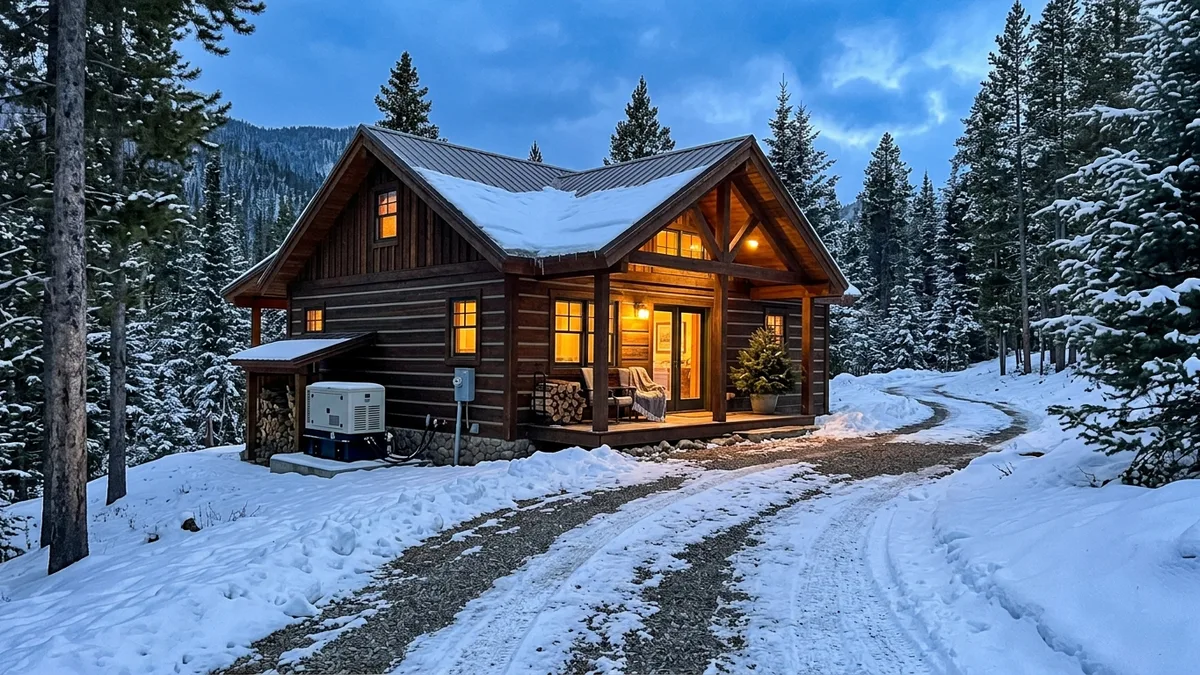
Mountain properties lose power more often than urban listings do, particularly during storms. A generator, when installed, needs regular testing, and guests need a clear emergency contact number that actually gets answered, not a support ticket queue that responds the next business day.
This is the exact content gap most competitor sites skip over: they describe cleaning and pricing in detail but rarely explain how a manager actually handles a septic backup at 9pm on a Saturday with guests checked in. Ask any prospective manager directly how they’ve handled a winter road closure or power outage in the past year. Their answer tells you more than any service page will.
What Permits and Regulations Apply in Shenandoah Valley Counties?
Short-term rental regulation in the Shenandoah Valley is handled at the county level rather than statewide, meaning requirements differ between Page County, Shenandoah County, Rockingham County, and others. Most counties define a short-term rental as a stay under 30 consecutive days and require some combination of a permit, zoning approval, and tax registration before an owner can legally list a property.
According to KBR Co-Hosting’s short-term rental regulations guide, transient occupancy taxes in the region typically range from 5% to 8%, layered on top of Virginia’s state sales tax. These figures change periodically, so confirm the current rate with your specific county’s commissioner of revenue or zoning office before listing a property.
Because enforcement and requirements vary property by property and county by county, this is one area where DIY research carries real risk. A permit approved in one part of Page County doesn’t automatically transfer to a property a few miles away in Shenandoah County. Full-service managers who already operate in the Valley typically know which county offices to call and what documentation gets approved fastest, which saves an out-of-state owner weeks of back-and-forth.
If you’re still deciding whether professional oversight makes sense for your situation, our guide on property management costs and picks in Shenandoah Valley, VA breaks down fee structures alongside compliance responsibilities in more detail.
Local Co-Hosting vs. National Platforms: Which Wins?
Local co-hosting in Shenandoah Valley typically outperforms national platforms like Evolve on guest communication speed and hyper-local knowledge, while national platforms often bring broader marketing reach and standardized technology. Neither approach is universally superior; the right choice depends on how hands-on you want to be and how much you value local responsiveness versus scale.
| Factor | Local Co-Host / Manager | National Platform (e.g., Evolve) |
|---|---|---|
| Response time to guest issues | Typically minutes; often same-day on-site visits | Often routed through a central support queue |
| Knowledge of local events, trails, weather | Detailed, firsthand | Generalized, less specific |
| Pricing approach | Local seasonal and event-based adjustments | Algorithm-driven, less local nuance |
| Average daily rate (AirDNA, Bryce Mountain data) | $171 (Bryce Mountain average) | $225 (Evolve average, same dataset) |
| Occupancy (AirDNA, Bryce Mountain data) | 54% (Bryce Mountain average) | 46% (Evolve average, same dataset) |
| Rural maintenance handling (septic, well, winter roads) | Usually built into local operations | Varies; often subcontracted regionally |
As shown above, the national platform in this comparison achieves a higher rate but lower occupancy, while local operators trend the opposite direction. Which result you’d prefer depends on whether you’re optimizing for rate per booking or total nights filled. For owners weighing this decision more broadly, our article on whether to hire a property manager walks through the underlying questions to ask yourself first.
How Do You Choose a Shenandoah Valley Airbnb Manager?
Choosing an Airbnb manager in Shenandoah Valley comes down to matching a company’s service scope, fee structure, and rural operational experience to your specific property and goals. Specifically, ask each candidate the following before signing anything.
- Request a sample owner report showing occupancy, ADR, revenue, and a fee breakdown for an existing managed property.
- Ask how they’ve handled a septic, well, or power issue at a property in the past 12 months, and what the guest communication looked like during that event.
- Confirm whether pricing is set manually, through software, or a hybrid, and how often rates get reviewed relative to local demand signals like foliage season or Luray Caverns visitation.
- Clarify exactly which county permits and tax registrations they handle versus which remain the owner’s responsibility.
- Ask for their average guest response time and how after-hours emergencies get routed.
- Compare their management fee percentage against the services included; a lower percentage sometimes means fewer included services, not a better deal.
Common mistakes owners make include signing with a manager who has no properties actually located in the Valley, assuming national brand recognition equals local expertise, and failing to ask about winter contingency planning until the first snowstorm hits. Rural properties expose management gaps fast; a manager who only handles urban condos may not have the systems in place for a cabin an hour from the nearest hardware store.
If you’re still weighing the numbers on whether professional management pencils out for your specific property, our cash-on-cash math guide walks through the calculation in detail, and our broader look at where to book across Shenandoah Valley in 2026 shows how the managed inventory in this market currently compares.
Frequently Asked Questions
How much do I pay someone to manage my Airbnb?
Full-service Airbnb management in Shenandoah Valley typically runs 15% to 25% of gross booking revenue, sometimes paired with a flat monthly service fee. Setup fees for prepping a new listing can range from roughly $1,500 to $3,000 depending on the scope of work needed.
What is the 80/20 rule for Airbnb?
The 80/20 rule suggests that a small share of features, guest segments, or marketing channels, roughly 20%, typically drives the majority of bookings and revenue for a property. For Shenandoah Valley cabins, amenities like hot tubs and proximity to Luray Caverns often account for a disproportionate share of inquiries.
What is the 75-55 rule for Airbnb?
The 75-55 rule is a pricing heuristic aiming for around 75% occupancy while keeping the average nightly rate at roughly 55% of peak-season pricing. It helps managers balance filling the calendar against eroding average rate too aggressively during slower seasons.
How are Airbnbs doing in the northern Virginia area?
According to AirDNA’s 2026 Shenandoah, VA data, the region has 11 active managers overseeing 154 tracked listings with review scores generally around 4.7 to 4.8. Performance varies by area and manager, with Bryce Mountain properties averaging 54% occupancy at a $171 nightly rate.
Do I need a permit for a short-term rental in Page County or Shenandoah County?
Most Shenandoah Valley counties require some combination of a permit, zoning approval, and tax registration for short-term rentals, defined as stays under 30 consecutive days. Requirements are set at the county level, so confirm the current rules with the specific county’s zoning or revenue office before listing.
What’s the difference between co-hosting and full-service management in this market?
Co-hosting typically covers a narrower set of tasks like guest messaging and turnover coordination while the owner retains control over pricing and major decisions. Full-service management bundles pricing, listing optimization, guest communication, maintenance, and compliance into one arrangement, usually at a higher percentage fee.
How do rural logistics affect Airbnb management costs in Luray or Stanley?
Rural properties add costs and complexity around well and septic monitoring, winter road access, and power outage response that urban or beach-town listings don’t typically face. Managers experienced in the Valley usually build these into their standard operations rather than treating them as unexpected extras.
Conclusion
Full-service Airbnb management in Shenandoah Valley, VA comes down to five buckets: listing optimization, dynamic pricing, guest communication, rural-specific maintenance, and county-level compliance, typically bundled for 15% to 25% of gross revenue. The properties that perform best in this market, based on what AirDNA’s 2026 data shows across Bryce Mountain and other tracked listings, tend to pair strong local guest communication with pricing that flexes around foliage season, holiday weekends, and Luray Caverns visitation rather than staying static year-round.
As 2026 continues, the Valley’s short-term rental market keeps maturing past simple arbitrage into a space where owners expect real reporting and rural-specific operational knowledge, not a generic property management template built for an apartment complex.

If you own a cabin near Luray, Stanley, or anywhere along the Skyline Drive corridor and you’re tired of managing pricing, guest texts, and septic schedules yourself, Endless Stays manages properties across the Valley alongside our Jersey Shore, Smoky Mountains, and Gulf Coast portfolio, including Skyline Vista Retreat in Luray. One recent owner we launched saw thousands in direct bookings within 90 days and reached 90% occupancy six months out through a mix of direct bookings and multichannel marketing, eventually earning a Top 5% guest favorite badge in their area. Get started with Endless Stays to see what that could look like for your property.