
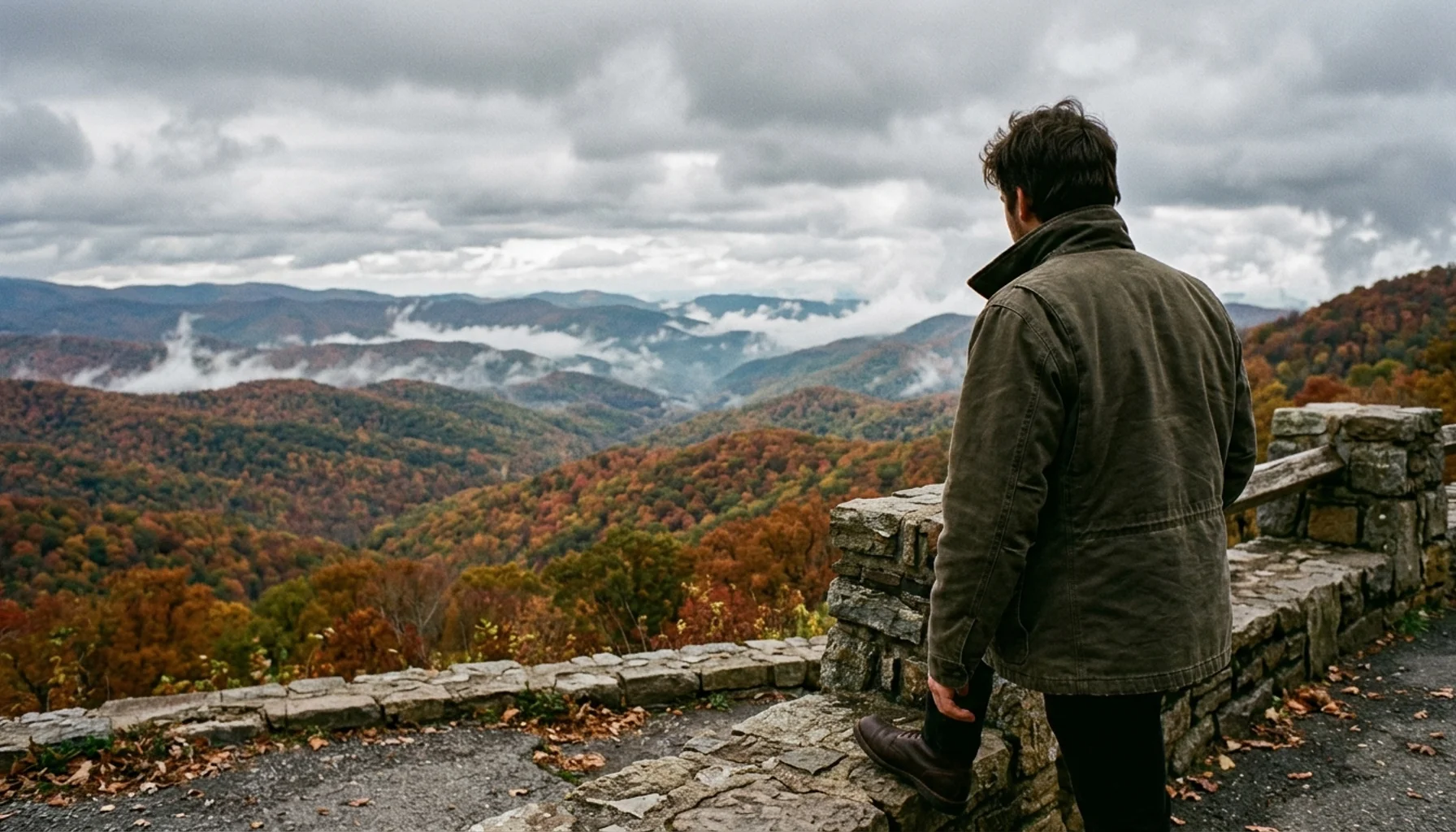
Shenandoah fall foliage typically peaks during the second or third week of October, though the exact date shifts by elevation, with high country near Big Meadows and Skyland turning color first and lower valley towns like Luray following two to three weeks later. If you’re planning a trip around Skyline Drive in 2026, that window (roughly October 14 through October 26) is your best bet, but the right approach depends on which section of the park you’re driving and how you’re timing your entrance.
Key Takeaways
- Peak fall color in Shenandoah National Park generally hits the second or third week of October, per the National Park Service’s fall guide, but elevation controls the timing more than the calendar does.
- High-elevation spots like Big Meadows and Skyland (2,500 to 3,500 feet) typically turn first, around October 14 to 17 in 2026 projections, while lower towns near Luray often peak closer to October 26.
- Skyline Drive runs 105 miles with roughly 70 overlooks between Front Royal and Rockfish Gap, and driving mid-day gives you sun on both sides of the road.
- Luray, VA sits at a lower elevation than the park’s ridgeline, so its own foliage window often lags Skyline Drive’s high country by one to two weeks, a detail that matters for anyone booking lodging around peak weekends.
- Skyline Vista Retreat, a Luray lodge we manage, sits 15 to 20 minutes from Shenandoah’s Thornton Gap entrance, giving fall travelers a home base close to both the caverns and the drive.
- Weekday mornings before 8am cut down on the traffic backups that plague peak Saturday afternoons; entering through Swift Run Gap or Rockfish Gap instead of Thornton Gap helps too.
Fall in the Shenandoah Valley draws hikers chasing overlook views and families squeezing in one last outdoor trip before winter.
That demand growth matters if you’re booking a Luray stay around peak color. Lodging fills fast during the last two weeks of October, and the properties closest to Thornton Gap or the caverns go first. Endless Stays operates in the Shenandoah Valley alongside its Jersey Shore, Smoky Mountains, and Gulf Coast markets, and what we’ve learned managing Luray properties through multiple fall seasons is that guests almost always underestimate how much elevation changes their timing.
This guide breaks down peak timing by district and elevation, gives you a realistic Skyline Drive itinerary, and covers entrance timing, webcams, and road status. We’ll also cover what a stay in Luray looks like if you’re using it as your basecamp, since that’s the town we know best.
What Is the Best Time to See Fall Colors in Shenandoah National Park?
The best time to see fall colors in Shenandoah National Park is typically the second or third week of October, according to the National Park Service’s official FAQ page, though the park explicitly warns that no single date works park-wide. Shenandoah stretches more than 70 miles from Front Royal to Rockfish Gap, and elevation swings of over 2,000 feet mean color changes at dramatically different speeds depending on where you’re standing.
Higher elevations along Skyline Drive run noticeably cooler than the valley floor below, which triggers earlier color change at ridge level. A visitor driving the same road in a single day can watch full red-and-orange canopy near Big Meadows give way to still-green trees by the time they reach lower overlooks near Front Royal.
For 2026 specifically, the foliage tracker from More Than Just Parks projects a park-wide peak around October 19, with a target window of October 18 through 21 for the broadest color coverage. That tracker also estimates roughly 12 days of lag between high-elevation peak (around October 14) and lower-ground peak (around October 26). The official NPS fall season itself runs late September through November, with average daytime temperatures between 49 and 60 degrees Fahrenheit, cool enough for crisp hiking but mild enough that layers work better than heavy coats.
What Are the Predictions for Fall Foliage Colors in 2026?
Fall foliage predictions for 2026 point to a peak around October 19 for Shenandoah National Park as a whole, based on the More Than Just Parks foliage tracker, with the strongest color window falling between October 18 and 21. Predictions are estimates built from historical patterns and current weather trends, not guarantees. Treat any single date as a planning anchor rather than a fixed appointment.
Elevation remains the biggest variable. Stands around 2,500 feet, including areas near Big Meadows, are projected to hit peak around October 17, while lower elevations closer to 1,000 feet, including much of the land around Luray, tend to peak closer to October 26. This roughly nine-day spread means a trip planned for mid-October favors the high country, while a trip planned for late October favors the valley towns and lower overlooks.
Forecasts like this can shift by a week or more, so check the park’s official Fall Color Report in the days before your trip rather than locking in a date months ahead.
Color rarely arrives or leaves all at once. Expect a gradual shift from yellow-green to full color over roughly two to three weeks in any given elevation band, not an overnight switch.
Is October a Good Time to Visit Shenandoah National Park?
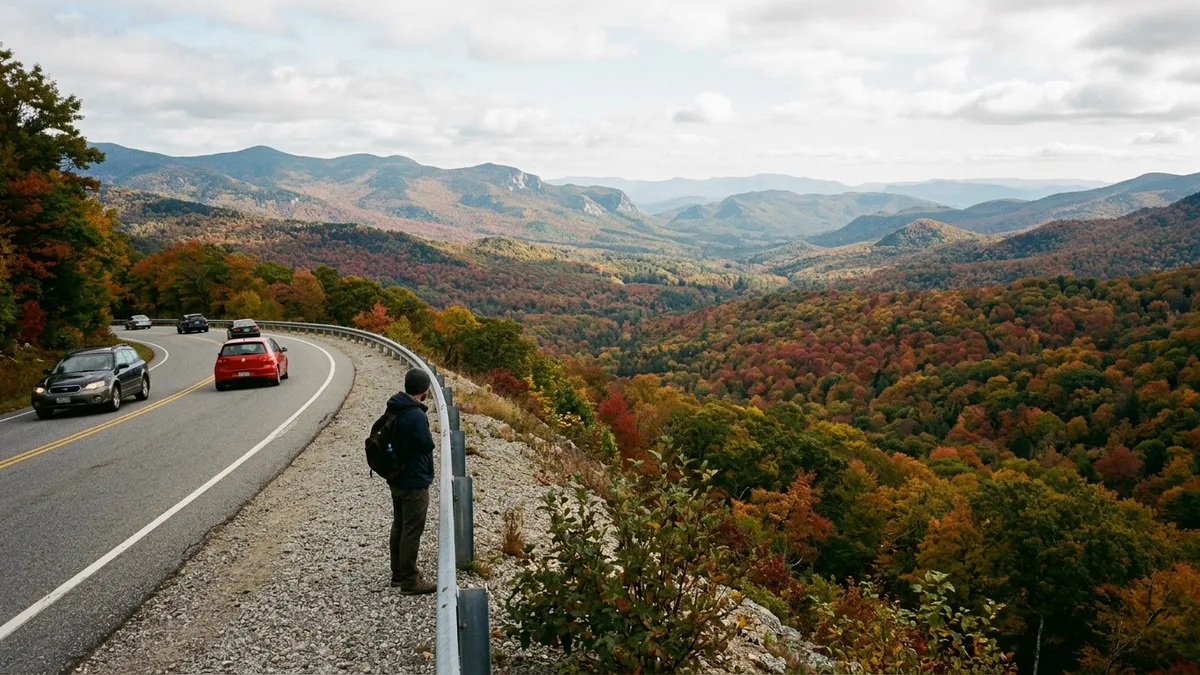
October is the single best month to visit Shenandoah National Park for fall foliage, combining peak color with mild hiking temperatures, though it’s also the park’s busiest month by a wide margin. Weekends in the last two weeks of October regularly bring heavy traffic at entrance stations, particularly Thornton Gap near Luray, and overlook parking lots fill by mid-morning.
Enter Skyline Drive before 8am or after 3pm on weekends to avoid the worst of the backups, and use Swift Run Gap (mile 65.5) or Rockfish Gap (mile 105) as alternate entrances instead of the more congested Thornton Gap. If your schedule allows it, hiking Monday through Wednesday cuts crowd exposure significantly compared to Friday through Sunday.
Weather in October is generally favorable but not guaranteed. Average daytime temperatures run 49 to 60 degrees Fahrenheit, per the NPS fall guide, but higher elevations can see frost, wind, and occasional fog that reduces overlook visibility to near zero. Check the park’s View from the Valley Webcam and Big Meadows Live Webcam the morning of your visit; a foggy sunrise at Big Meadows can clear by 11am, or it can sit there all day.
If you’re weighing October against November, November brings smaller crowds and often still holds color at lower elevations near Luray, since valley floors lag high country by roughly two weeks. A traveler prioritizing solitude over peak saturation might genuinely prefer a first-week-of-November trip focused on the park’s southern and lower-elevation sections.
What Are the Best Hikes in Shenandoah National Park to See Fall Foliage?
The best fall foliage hikes in Shenandoah National Park cluster around three named locations: Hawksbill Gap and Crescent Rock in the Central District, Thornton Gap in the North District, and Big Run Overlook in the South District, according to regional foliage guides tracking 2026 conditions. Each offers a different balance of elevation, difficulty, and view type.
Hawksbill Gap sits near the park’s highest point and typically shows color earliest in the season, often by late September into early October at the summit level. Crescent Rock, nearby, is a shorter walk with a dramatic overlook that rewards you without requiring a long hike: worth knowing if you’re traveling with kids or older relatives who want the payoff without the mileage.
Thornton Gap, in the North District, is both a hiking access point and the entrance station closest to Luray, making it doubly useful for anyone basing a trip out of that town. Big Run Overlook, in the South District, tends to peak later given its lower average elevation, which makes it a smart pick for a late-October trip when the northern high country has already passed its color window.
If you want scenery without much hiking, focus early-season trips on the Central District between Thornton Gap and Rockfish Gap entrance stations, since higher elevations there color first and several overlooks require little more than a short walk from the car. If mobility is a concern, prioritize overlooks directly off Skyline Drive rather than trailhead hikes; nearly all of the drive’s roughly 70 overlooks require no walking beyond the parking area itself.
How Should You Plan a Skyline Drive Foliage Trip by District?
Skyline Drive planning by district means matching your travel dates to the section of the 105-mile road most likely to show peak color at that time, since the road’s north-to-south layout tracks almost directly with elevation and latitude shifts. The drive runs from Front Royal in the north to Rockfish Gap in the south, and the Front Royal-to-Thornton Gap segment, roughly 32 miles, is the easiest stretch for overlook-hopping without committing to hikes.
Here’s a practical breakdown most articles skip: which district fits which travel window.
| Travel Window | Best District | Elevation Band | Drive Direction Tip |
|---|---|---|---|
| Late September to Oct 10 | North and Central (Skyland, Big Meadows) | 2,500 to 3,500 ft | South to north in morning, north to south afternoon |
| Oct 10 to Oct 20 | Central District broadly | 1,500 to 3,000 ft | Enter via Thornton Gap early, exit Swift Run Gap |
| Oct 20 to Nov 5 | South District, valley towns near Luray | Below 1,500 ft | Enter via Rockfish Gap or Swift Run Gap |
Drive south to north in the morning and north to south in the afternoon, keeping the sun behind you for photography rather than facing straight into it. Mid-day driving, while it sounds like a crowd-avoidance mistake, actually lights up foliage on both sides of the road, which morning or evening light doesn’t do as evenly.
For a one-day trip, pick a single district and commit to it rather than trying to drive the full 105 miles. For a two-day trip, spend day one in the higher-elevation Central District and day two working south toward Rockfish Gap or looping back toward Luray and the lower valley, where color often holds later into the season.
How Do You Avoid Crowds and Handle Entrance Timing at Thornton Gap?
Avoiding crowds at Thornton Gap and other Shenandoah entrance stations comes down to timing your arrival before 8am or after 3pm on weekends, and choosing a less-trafficked entrance like Swift Run Gap or Rockfish Gap when Thornton Gap backups are heaviest. Thornton Gap, the entrance closest to Luray, sees the most volume during peak weekends since it’s the natural access point for both day-trippers from the DC area and Luray-based visitors heading into the park.
A Saturday arrival at Thornton Gap between 10am and 2pm during the third week of October can mean a real wait at the entrance station and overlook lots that are already full. Shifting that same trip to a Tuesday, or arriving by 7:30am on the weekend, removes most of that friction.
Cell service inside the park is inconsistent, particularly in the lower valleys and deeper hollows, so download offline maps and the current road status before you leave Luray. Check the National Park Service’s site for closures; sections of Skyline Drive occasionally close for weather, wildlife, or maintenance, and that information updates faster on the official page than on third-party trip blogs.
Fuel up before entering the park. Gas stations inside Shenandoah are limited to a couple of wayside locations, and prices run higher than in Luray or Front Royal. Restrooms cluster at visitor centers like Skyland and Big Meadows, so plan stops accordingly if you’re traveling with kids.
What Should You Know About Accessible Overlooks and Non-Hiking Foliage Viewing?
Accessible foliage viewing in Shenandoah National Park is entirely possible without hiking, since the vast majority of Skyline Drive’s roughly 70 overlooks sit directly off the roadway with paved or gravel parking and require no walking beyond a short approach. The drive itself is one of the more accessible fall foliage experiences on the East Coast, a point that’s genuinely underexplored in most competing guides.
Big Meadows, at roughly 3,500 feet, has a visitor center with accessible restrooms and a large parking area, making it a strong choice if you want a high-elevation view without a trailhead. Skyland, similarly, offers overlook access near the lodge without requiring a hike down to the view.
If mobility is a limitation, the North District’s easier overlooks between Front Royal and Thornton Gap tend to have flatter approach paths than some of the Central District’s rockier pull-offs. If in doubt about a specific overlook’s terrain, call ahead to a park visitor center before your trip rather than guessing based on a photo online.
The park’s weekly fall update video, published every Thursday during the season, often mentions accessibility notes alongside color reports, making it worth a watch even if you’re not hiking at all.
Where Should You Stay in Luray During Fall Foliage Season?
Luray, VA works as a fall foliage basecamp because it sits within 10 to 20 minutes of Shenandoah’s Thornton Gap entrance while also giving you access to Luray Caverns and the town’s own restaurants and shops, without the overnight price premium of staying inside the park itself. Lower elevation means Luray’s own foliage typically peaks later than the high country, often into late October, which can actually work in your favor if you’re touring both the town and the drive on the same trip.
Endless Stays manages Skyline Vista Retreat in Luray, a five-bedroom mountain lodge built for groups of up to 10, with a hot tub, sauna, pickleball court, and a game room, all positioned 10 to 15 minutes from the caverns and 15 to 20 minutes from Thornton Gap. If you’re traveling with a family or multi-generational group splitting time between hiking and lounging, having a hot tub and screened porches to come back to after a cold overlook hike matters more than you’d expect until you’re standing in 45-degree wind at Hawksbill Gap.
Fall weekends in Luray book up fast, particularly around the projected October 18 to 21 peak window, so reserve early. You can book Skyline Vista Retreat directly with us. If you own a cabin near the park yourself, our Shenandoah Valley Airbnb management page shows how we run homes in this market.
What Should You Know Before Driving Skyline Drive During Peak Season?
Driving Skyline Drive during peak fall foliage season requires accounting for reduced average speeds and entrance-station congestion, plus limited fuel and cell service inside the park boundary. The 35 mph speed limit already makes the 105-mile drive a multi-hour commitment, and peak-weekend traffic can slow that further, particularly near popular overlooks where cars pull in and out constantly.
Check the Fall Color Report the morning of your trip rather than relying on a forecast made weeks earlier. Weather events like an early frost or a windy front can strip leaves from trees faster than any prediction accounts for. A “peak” date projected in September can shift by several days once real conditions set in.
Plan your entrance and exit points before you leave. If you’re staying in Luray, Thornton Gap is the closest entrance, but it’s also the busiest on weekends. Consider entering early and exiting through Swift Run Gap to avoid backtracking through the same congestion twice in one day.
Pack for temperature swings. A 60-degree afternoon at the Thornton Gap entrance can feel like 45 degrees at Big Meadows an hour later, especially with wind at higher elevations.
Frequently Asked Questions
What is the best time to see fall colors in Shenandoah National Park?
The best time is generally the second or third week of October, according to the National Park Service, though the exact date varies by elevation. High country near Big Meadows and Skyland typically peaks first, while lower valley areas near Luray often peak one to two weeks later, sometimes into early November.
When does peak fall foliage happen in Shenandoah in 2026?
The More Than Just Parks 2026 foliage tracker projects a park-wide peak around October 19, with a target window of October 18 through 21. High-elevation stands around 2,500 feet are projected to peak closer to October 17, while lower elevations near 1,000 feet, including much of the Luray area, are projected to peak around October 26.
Where does Skyline Drive start and end?
Skyline Drive runs 105 miles through Shenandoah National Park, starting at Front Royal in the north and ending at Rockfish Gap in the south. It has roughly 70 overlooks along the route, and travel time for the full drive typically runs several hours given the 35 mph speed limit.
Why is Skyline Drive sometimes closed?
Skyline Drive can close temporarily for severe weather, ice, high winds, wildlife management, or maintenance work. Check the National Park Service’s official site for current road status before heading out, since closures can happen with little notice, particularly at higher elevations during fall storms.
Is Luray, VA a good base for visiting Shenandoah during fall foliage?
Yes. Luray sits 10 to 20 minutes from the Thornton Gap entrance station and also gives you access to Luray Caverns and the town’s restaurants and shops. Its lower elevation means local foliage often peaks later than the park’s high country, which can extend your fall color window if you split time between the town and Skyline Drive.
What are the best hikes for fall foliage in Shenandoah?
Hawksbill Gap and Crescent Rock in the Central District, Thornton Gap in the North District, and Big Run Overlook in the South District are commonly recommended for fall color viewing. Hawksbill Gap and Crescent Rock tend to peak earliest due to higher elevation, while Big Run Overlook typically peaks later.
How do I check current fall foliage conditions before my trip?
Check the National Park Service’s Fall Color Report and its View from the Valley and Big Meadows webcams, both updated regularly during the season. The park also posts a weekly fall update video every Thursday through its official social media channels, which often includes the most current color and traffic information.
Conclusion
Shenandoah fall foliage in 2026 is projected to peak around October 19, but the smarter planning question is which elevation band and district match your travel dates, not just which single day to circle on a calendar. High country near Big Meadows and Skyland turns first, valley towns like Luray follow two to three weeks later, and Skyline Drive’s 105 miles and roughly 70 overlooks give you flexibility to chase color at whichever elevation is peaking when you arrive.
If Luray is your basecamp, plan around Thornton Gap’s weekend congestion, check the official Fall Color Report the morning of your drive, and build in flexibility since forecasts shift as real weather sets in. Virginia’s tourism momentum, including the Shenandoah Valley’s standing as a leading hotel-demand region, means fall lodging books early, so lock in a place near the park entrance well ahead of the projected October peak window.

If you’re planning a fall trip to Luray, Endless Stays manages properties like Skyline Vista Retreat that put you minutes from Shenandoah’s Thornton Gap entrance and Luray Caverns, with a hot tub and game room waiting when you’re done chasing color for the day. And if you’re an owner in the Shenandoah Valley wondering whether your own property could perform better during peak season, Get started with Endless Stays to talk through what full-service management, dynamic pricing, and guest communication could look like for your home.