
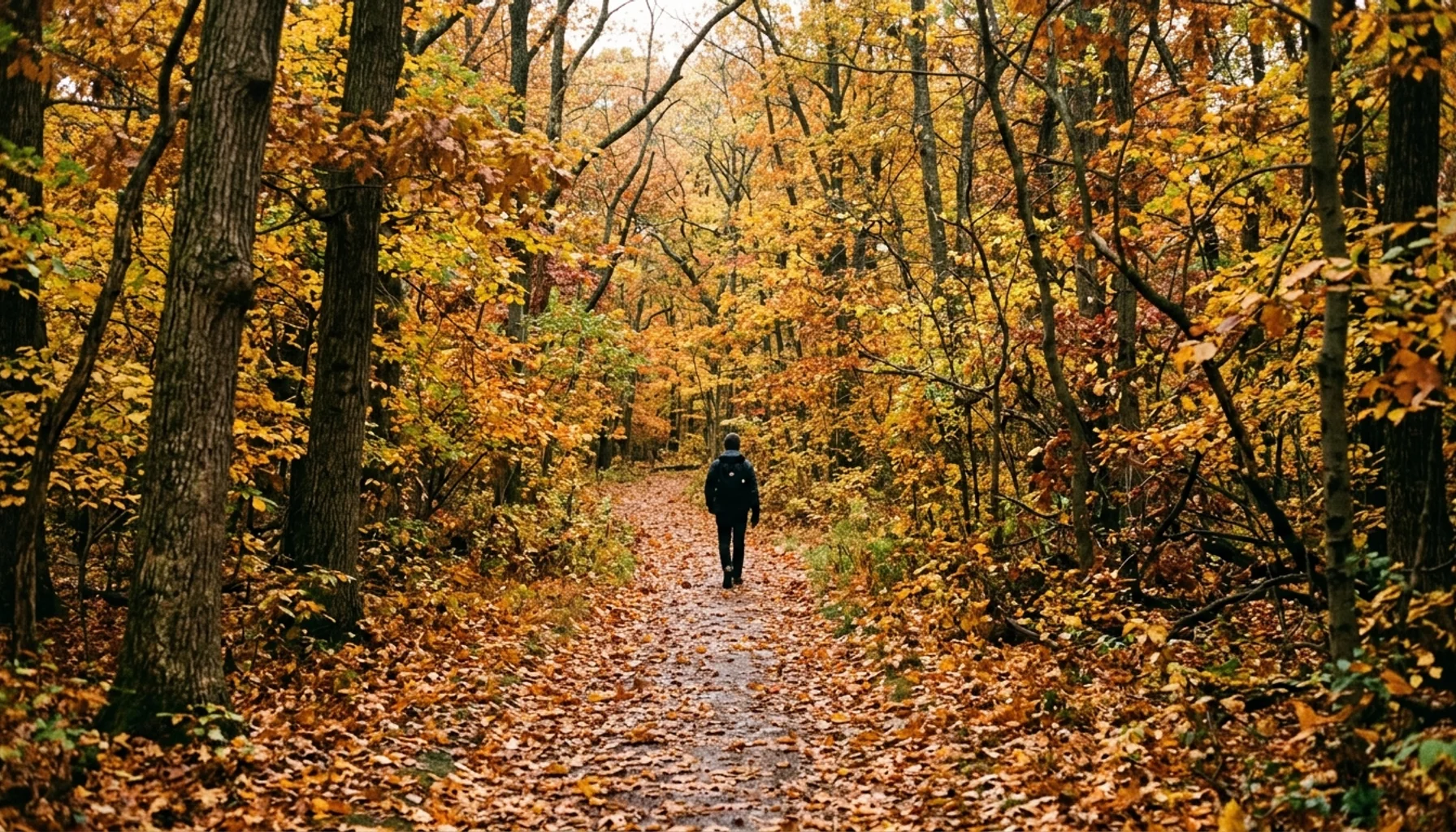
New Jersey’s best fall foliage typically peaks between October 14 and October 24, starting in the northwest Highlands around High Point State Park and moving southeast toward the coast, according to county-level forecasts from More Than Just Parks and Fall Photo Guide. If you’re planning a leaf-peeping trip in 2026, timing your visit to a specific region matters more than picking a single “best” date.
Key Takeaways
- New Jersey fall foliage progresses from northwest to southeast, with Morris County and High Point State Park peaking first around October 16, and Cape May County peaking last around October 24, per More Than Just Parks’ county model.
- The New Jersey Department of Environmental Protection (NJDEP) describes fall color as moving through three waves, yellow, orange, then red, with each wave taking roughly 7 to 16 days to move through a given region.
- Elevation drives timing: Fall Photo Guide estimates high ridges near 1,650 feet peak around October 11, while valleys near 650 feet lag to around October 15.
- Top viewing spots span the state: High Point State Park and the Delaware Water Gap National Recreation Area in the north, Palisades Interstate Park along the Hudson, and Wharton State Forest, Belleplain State Forest, and Parvin State Park in South Jersey’s Pine Barrens.
- The viewing season runs September through November statewide, per NJDEP, and Jersey Shore towns like Ocean Grove and Belmar hold their own foliage backdrop well into late October, making a coastal base a practical option for weekend trips.
- Booking a Jersey Shore rental for fall foliage season lets you pair a color-viewing day trip inland with a quieter, off-peak beach town stay, and Endless Stays manages several Monmouth County properties suited to exactly that kind of trip.
Every October, the same question comes up in our inbox from guests booking Monmouth County stays: when should I come for the leaves? It’s a fair question, because New Jersey fall foliage doesn’t hit all at once. The color moves across the state over roughly three to four weeks, and if you show up on the wrong weekend in the wrong county, you’ll catch bare branches in the north or still-green canopy down the shore.
This guide breaks down the exact weeks to target by region, names the specific state parks and scenic routes worth the drive, and explains the weather and elevation factors that shift peak color earlier or later in any given year. We also cover something most foliage guides skip entirely: where to actually park, which trailheads get crowded, and how to build a fall weekend around a Jersey Shore base camp instead of just a day trip.
As of 2026, New Jersey’s tourism economy is leaning harder into shoulder-season travel. The state’s Department of Travel and Tourism reported a record 123.7 million visitors in 2026, and overnight stays, not day trips, drove the bulk of that spending. Fall foliage weekends are a big part of why. At Endless Stays, we manage properties across Ocean Grove, Belmar, and Bradley Beach that see a steady bump in October bookings from exactly this crowd: people driving in for color, staying near the water, and making a full weekend of it.
Where Is the Best Fall Foliage in New Jersey?
The best New Jersey fall foliage concentrates in three zones: the northwest Highlands and Kittatinny Ridge, the Palisades along the Hudson River, and the Pine Barrens forests of South Jersey. Each zone peaks on a different week, so “best” depends entirely on when you’re traveling.
High Point State Park, New Jersey’s highest point at 1,803 feet, sits in Sussex County and typically leads the state into peak color given its elevation and northern latitude. Just south, the Delaware Water Gap National Recreation Area offers ridge-top overlooks along the Kittatinny Ridge with views across the Delaware River into Pennsylvania. Both spots draw heavy weekend traffic in mid-October, so arriving before 10am on Saturdays makes a real difference in parking availability.
Further east, Palisades Interstate Park gives you dramatic cliffside color views over the Hudson, a favorite for New York metro day-trippers. In South Jersey, Wharton State Forest, Belleplain State Forest, and Parvin State Park are the state’s own recommended Pine Barrens foliage spots, though color there runs more muted, dominated by pitch pine and scrub oak rather than the fiery maples up north.
What Week of October Is Best for Fall Foliage in New Jersey?
The single best week for New Jersey fall foliage generally falls between October 14 and October 21, though the exact window shifts by county and elevation. More Than Just Parks’ 2026 county forecast puts Morris County’s peak around October 16 and Cape May County’s around October 24, an eight-day spread across the state’s 21 counties.
Fall Photo Guide’s model centers the statewide typical peak closer to October 14, with a broader window running October 10 through 18. The difference between these estimates comes down to methodology, but both agree on the core pattern: color starts in the northwest and finishes on the coast roughly a week to ten days later. NJDEP’s own three-wave model (yellow, then orange, then red) means a single location doesn’t just “peak” once; it moves through color stages over 7 to 16 days.
Practically, that means if you’re targeting the Highlands region around Morris or Sussex County, aim for the second week of October. If you’re planning a South Jersey or Jersey Shore-adjacent trip, mid-to-late October usually delivers stronger color, and Cape May County frequently holds decent color into early November in a mild year.
How Elevation Changes Your Timing
Elevation is the single biggest variable inside any given week. Fall Photo Guide’s elevation-band model estimates high ridges near 1,650 feet peak around October 11, mid-elevation areas near 900 feet peak around October 14, and valleys around 650 feet lag to about October 15. That’s a four-day spread just from topography, before you even factor in latitude.
This is why Sussex County, with a median elevation of 862 feet, and Morris County, at 773 feet, both run earlier than coastal Cape May County, sitting at just 10 feet above sea level. If you drove to High Point one weekend and found peak color, then drove to a Jersey Shore town the next weekend expecting the same look, you’d likely find the coastal trees still holding onto green and yellow.
How Does Fall Foliage Move Across New Jersey?
New Jersey fall foliage progresses in a northwest-to-southeast pattern, starting in the High Point and Highlands region, moving through central New Jersey, and finishing along the southern and coastal counties. njHiking.com documents this progression as the standard pattern hikers use to plan multiple trips across a single season.
First, the Kittatinny Ridge and High Point area change color, typically in the first half of October. Next, the color wave moves into the Highlands and north-central counties, including Morris and Somerset. Specifically, Somerset County’s foliage tends to track a week or so behind the northwest corner. As a result, by the time central Jersey is near peak, the northwest counties are often already past peak and dropping leaves.
Finally, the wave reaches South Jersey and the coastal counties, where Pine Barrens species and lower elevation push peak color into the back half of October and, in mild years, into early November. This progression means a single fall trip timed for one region will miss peak in another; multi-region trips need to be staggered across two to three weekends rather than planned as one visit.
What Are the Top State Parks and Scenic Routes for Fall Color?
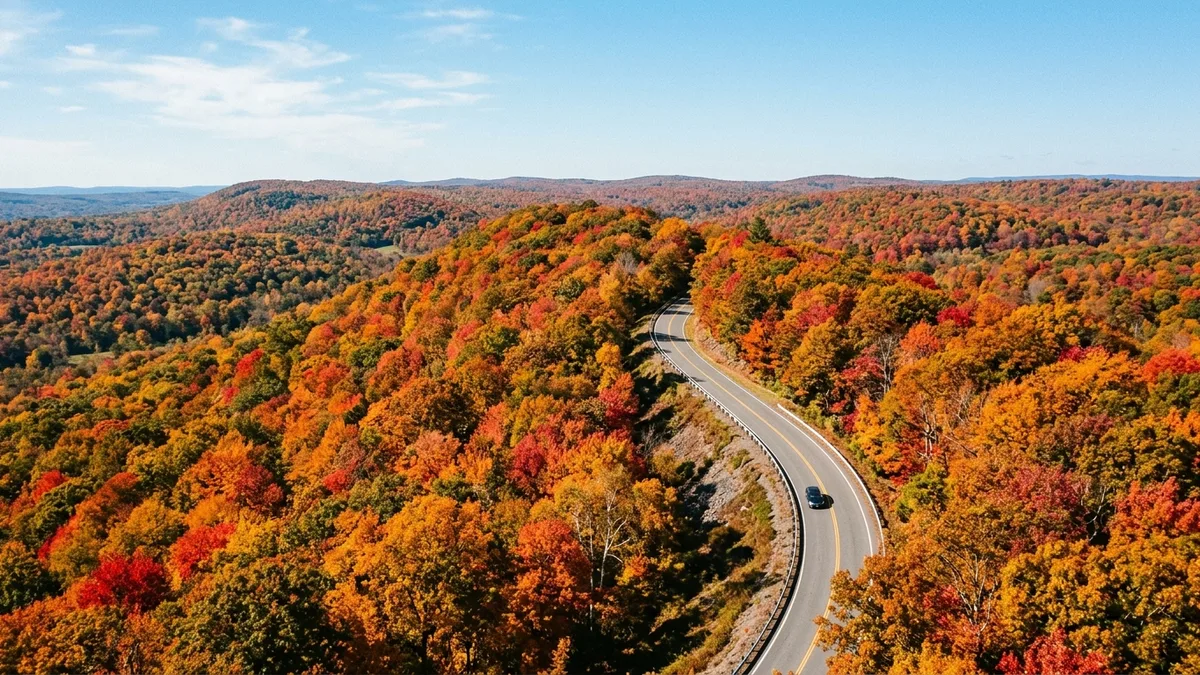
New Jersey’s top foliage destinations combine high-elevation ridgelines, river overlooks, and Pine Barrens forest, each offering a distinct color palette and driving experience. The table below compares the state’s most-cited viewing spots by region, typical peak week, and what makes each one worth the drive.
| Location | Region | Typical Peak Window | What Makes It Worth the Trip |
|---|---|---|---|
| High Point State Park | Sussex County (Northwest) | Early to mid-October | New Jersey’s highest elevation point at 1,803 feet; observation tower with panoramic views into three states |
| Delaware Water Gap National Recreation Area | Northwest, Kittatinny Ridge | Mid-October | Ridge-top overlooks over the Delaware River; multiple pull-off scenic viewpoints along Route 209 and River Road |
| Palisades Interstate Park | Northeast, along the Hudson | Mid-to-late October | Dramatic cliffside color with Hudson River and Manhattan skyline views; easy access from northern NJ towns |
| Wharton State Forest | South Jersey, Pine Barrens | Late October | Largest single tract of the state park system; blackwater rivers reflecting muted gold and rust Pine Barrens color |
| Belleplain State Forest | South Jersey, Cape May County border | Late October to early November | Quiet, less-trafficked trails through Atlantic white cedar swamps and mixed hardwoods |
| Parvin State Park | South Jersey, Salem/Cumberland counties | Late October | Lake-centered park; still water doubles the color with reflection shots off Parvin Lake |
Notably, none of these locations require a permit or advance reservation for day use, though state forest and park offices post seasonal alerts for trail closures after storms, so it’s worth checking NJDEP’s site the morning of your trip.
What Weather Conditions Produce the Best Fall Color?
The best New Jersey fall color happens when trees hold onto more leaves, stay free of pest or drought damage, and experience a run of sunny days paired with cool, frost-free nights. NJDEP identifies these as the core conditions that separate a vivid fall from a muted, brown one.
Specifically, NJDEP lists intermittent light rain as a positive factor, since it keeps trees hydrated without stripping leaves through wind or heavy storms. A hard early frost, by contrast, can force leaves to drop before they finish changing color, cutting the display short in that region for the year. Drought stress earlier in the summer also shows up in October as early, dull-colored leaf drop rather than a slow, vivid transition through the three color waves.
Because these conditions vary year to year, no single calendar date guarantees peak color. This is exactly why the Fall Foliage Network’s Fall Foliage Report exists: it aggregates real-time, on-the-ground color reports rather than relying purely on historical averages. Checking a live report the week of your trip, instead of planning six weeks out based on last year’s dates, meaningfully improves your odds of catching peak color.
How Do You Plan a Fall Foliage Road Trip Around Peak Timing?
Planning a New Jersey fall foliage road trip means matching your travel dates to your target region’s specific peak window, then building in a flexible day or two since forecasts shift with weather. Start by picking one region, northwest, central, or south, rather than trying to catch all three zones in a single weekend.
- Pick your region first, then your date. If you want the classic Highlands look with reds and oranges against ridge lines, target the second week of October and head toward High Point State Park or the Delaware Water Gap.
- Check a live foliage report 3-5 days before you leave. Static peak-date calendars are useful for rough planning, but the Fall Foliage Network’s Fall Foliage Report and similar live trackers reflect actual on-the-ground conditions, which can run a week ahead or behind average.
- Build in a rain-day alternative. Northwest New Jersey’s ridge roads can close temporarily after heavy rain or wind events. Have a lower-elevation backup, like Palisades Interstate Park, in your back pocket.
- Arrive early on weekends. Popular overlooks at High Point and the Water Gap fill their small lots by mid-morning on peak-color Saturdays. Weekday trips or early Sunday starts avoid most of the crowding.
- Pair your foliage day trip with a longer stay somewhere quieter. Driving up from the Jersey Shore for a single foliage day, then returning to a coastal town for the rest of the weekend, spreads out the trip and avoids cramming everything into one long driving day.
This last point is where a lot of foliage guides stop short. Most articles list parks and peak dates but never address where you actually sleep for a multi-day fall trip. If you’re driving in from out of state or from North Jersey to chase color in the Highlands, basing yourself at the shore for the rest of the weekend gives you a change of scenery and typically better lodging value than staying near the parks themselves during peak color season.
Can You See Fall Foliage From the Jersey Shore?
Yes, Jersey Shore towns show their own fall color, though it arrives later and reads more muted than the Highlands’ reds and oranges. Coastal counties like Monmouth sit at low elevation with a milder microclimate, so their oaks and maples typically hold color into late October and sometimes early November.
Ocean Grove’s tree-lined Victorian streets and Bradley Beach’s residential blocks both carry a genuine, if understated, fall look by the back half of October, with the added benefit of thinner crowds than the inland state parks see on weekends. It’s not the postcard mountain vista you get at High Point, but it’s a legitimate reason to extend a shore stay past Labor Day instead of treating October as the off-season.
For guests staying at The Embury Hideaway in Ocean Grove, the fire pit patio becomes a genuine draw once the evenings cool off in October, and the property sits a 12-minute walk from the beach with the boardwalk energy of Asbury Park just five minutes away by car. Fall weekends here trade summer crowds for quieter streets and lower rates, while still putting you within reach of a foliage day trip north or west.
Where Can You See the Best Fall Foliage in Upstate New York and Nearby Regions?
If your New Jersey foliage trip extends north, the Hudson Valley and Catskills region of Upstate New York typically peaks slightly earlier than New Jersey’s own Highlands, generally in the first half of October, given its higher average elevation and more northern latitude. Palisades Interstate Park itself straddles the New Jersey and New York border, making it a natural bridge point for a trip covering both states.
Travelers combining a New Jersey Highlands trip with a Hudson Valley extension should plan the New York leg first, since color there generally arrives and fades earlier than northwest New Jersey’s own peak. This staggered timing lets you catch two distinct fall landscapes across a single extended trip without either location being past peak by the time you arrive.
How Should You Choose Where to Stay for a Fall Foliage Trip?
Choosing lodging for a New Jersey fall foliage trip comes down to whether you want proximity to the parks themselves or a coastal base with easier access to dining, walkability, and a change of pace after a day of driving mountain roads. Both approaches work, but they suit different trip styles.
Staying near High Point or the Delaware Water Gap puts you minutes from trailheads and overlooks, ideal if you’re prioritizing early starts and multiple park visits in a short window. But lodging density in the immediate Highlands area runs thinner than the shore, and options fill up fast on peak-color weekends.
A Jersey Shore base, by contrast, works well for a weekend built around one focused foliage day trip rather than back-to-back park visits. Properties in Belmar, Bradley Beach, and Ocean Grove sit roughly an hour to 90 minutes from the northwest Highlands, close enough for a full day trip without an overnight stay in the mountains themselves. At Endless Stays, we’ve seen this exact pattern play out in our own booking data: October reservations at our Monmouth County properties consistently include multi-night stays where guests block out one day specifically for an inland drive.
The Bradley Breeze in Bradley Beach sleeps 6 across 3 bedrooms and sits a five-minute walk from the boardwalk, making it a solid fit for a family splitting a fall weekend between a foliage drive and beach town relaxation. For couples or smaller groups, The Embury Retreat, also in Ocean Grove, offers a fire pit patio with Edison lighting, a nice detail once the October air turns crisp in the evenings.
What Mistakes Do First-Time Foliage Travelers Make in New Jersey?
The most common mistake is treating New Jersey fall foliage as a single statewide event with one peak date, rather than a rolling, region-by-region progression that spans three to four weeks. Travelers who lock in a date based on a generic “New Jersey peak foliage” search often show up a week early in the north or a week late on the coast.
Another frequent error: skipping the live color reports in favor of static calendar estimates. Weather variability means a forecasted peak date can shift by several days in either direction. Checking a source like the Fall Foliage Network’s report the week of travel, rather than relying purely on a forecast made a month out, closes that gap.
Finally, many first-time visitors underestimate parking demand at popular overlooks. High Point State Park and Delaware Water Gap pull-offs fill quickly on clear, mild Saturdays in mid-October. Arriving after 11am on a peak-color weekend often means circling for a spot rather than hiking.
What Should You Pack and Prepare for a Fall Foliage Day Trip?
A New Jersey fall foliage day trip goes smoother with layered clothing, since morning temperatures at higher elevations like High Point can run 10 to 15 degrees cooler than the coast, and afternoon sun warms things up fast once you’re out of the shade. Sturdy footwear matters too if you’re planning to walk any of the overlook trails, many of which have uneven, rocky terrain rather than paved paths.
Bring cash or a card for park entrance or parking fees where applicable, and download offline maps before you go, since cell service drops out in stretches of the Kittatinny Ridge and Pine Barrens. If you’re stringing together multiple stops in one day, plan your route south to north or north to south rather than zigzagging, since New Jersey’s foliage regions run in a rough diagonal line from the northwest corner to the southeast coast.
Frequently Asked Questions
Where is the best fall foliage in New Jersey?
The best fall foliage in New Jersey is generally found in the northwest Highlands region, particularly High Point State Park in Sussex County and the Delaware Water Gap National Recreation Area along the Kittatinny Ridge. South Jersey’s Wharton State Forest, Belleplain State Forest, and Parvin State Park offer a different, more muted Pine Barrens color palette worth visiting later in October.
What week of October is best for fall foliage in New Jersey?
Most forecasts place New Jersey’s statewide peak somewhere between October 14 and October 21, though the exact week depends on region and elevation. Northwest counties like Morris typically peak around October 16, while coastal Cape May County often peaks closer to October 24, according to More Than Just Parks’ 2026 county model.
Where can I see the best fall foliage in Upstate New York?
The Hudson Valley and Catskills region of Upstate New York typically peaks slightly earlier than New Jersey’s own Highlands, generally in the first half of October, due to higher average elevation and more northern latitude. Palisades Interstate Park straddles the New Jersey-New York border and works well as a single stop covering both states’ color.
Are there any vacation rentals available in Asbury Park, New Jersey?
Asbury Park itself sits directly next to Ocean Grove, where Endless Stays manages properties like The Embury Hideaway and The Embury Retreat, both within a five-minute drive of Asbury Park’s downtown and boardwalk. These Ocean Grove rentals put you close enough to Asbury Park’s restaurants and nightlife while offering the quieter, Victorian-era streets Ocean Grove is known for.
Are there any vacation rentals available near the beach in Asbury Park, New Jersey?
Yes, Endless Stays manages several beach-adjacent properties in the surrounding towns, including The Embury Hideaway and The Embury Retreat in Ocean Grove, both about a 12-minute walk to the sand, and The Bradley Breeze in Bradley Beach, a five-minute walk from that town’s boardwalk. All three sit within a short drive of Asbury Park’s beach and downtown strip.
Where to stay in New Jersey for a fall foliage trip?
Where you stay depends on your trip style: lodging near High Point State Park or the Delaware Water Gap puts you closest to the northwest Highlands’ peak color, while a Jersey Shore base in towns like Belmar, Bradley Beach, or Ocean Grove works well if you want to pair one inland foliage day trip with a relaxed coastal weekend. The shore towns run roughly an hour to 90 minutes from the Highlands region.
What’s the best time of year to visit the Jersey Shore if I want to see fall color too?
Mid-to-late October offers the best combination of coastal fall color and off-peak shore town pricing, since Monmouth County’s own foliage typically lags the Highlands by a week or more due to its lower elevation and milder microclimate. This window also falls after the busiest summer crowds have cleared out but before most shore businesses close for the season.
Do I need to book a New Jersey state park in advance to see fall foliage?
No, day-use visits to New Jersey’s state parks and forests, including High Point State Park, Wharton State Forest, and Belleplain State Forest, generally don’t require advance reservations. It’s worth checking NJDEP’s park pages directly the morning of your visit for any seasonal trail closures or parking fee changes.
Conclusion: Timing Your New Jersey Fall Foliage Trip
New Jersey fall foliage rewards travelers who plan around a region, not a single calendar date. Target the second week of October for the northwest Highlands and High Point State Park, then shift toward mid-to-late October for South Jersey’s Pine Barrens and the Jersey Shore’s own, more subtle color change. Checking a live report like the Fall Foliage Network’s tracker the week of your trip beats locking in dates months ahead.
As 2026 shoulder-season travel continues climbing statewide, per New Jersey’s own tourism data, fall weekends have become one of the smarter times to book a Jersey Shore stay: fewer crowds, lower rates than peak summer, and a legitimate coastal color display of its own once you’re past mid-October.
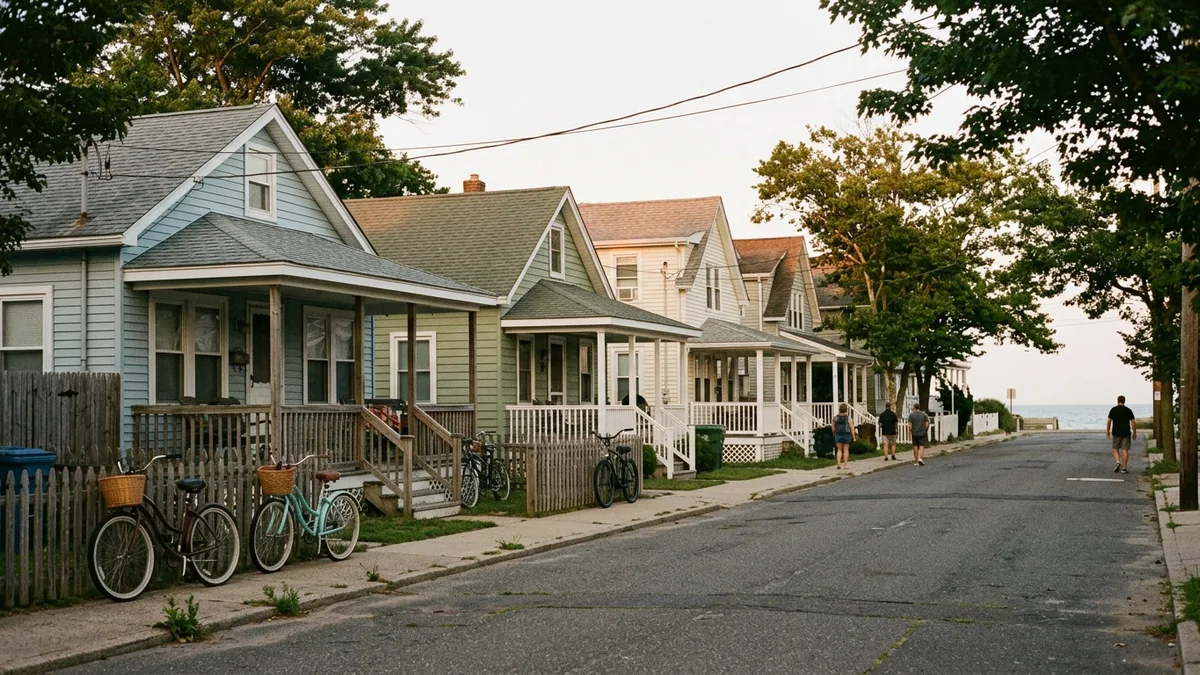
If you’re planning a fall foliage weekend and want a quiet coastal base within reach of the Highlands, the Pine Barrens, and everything in between, Endless Stays manages hand-kept properties across Ocean Grove, Belmar, and Bradley Beach with fire pits, walkable boardwalks, and the kind of local knowledge that comes from actually hosting guests in these towns year-round. Browse current availability and book direct at endlessstaysco.com.